Educate, Energize, Engage
Knox County celebrates Black history through education, remembrance, music, and community events.
Read Another Article


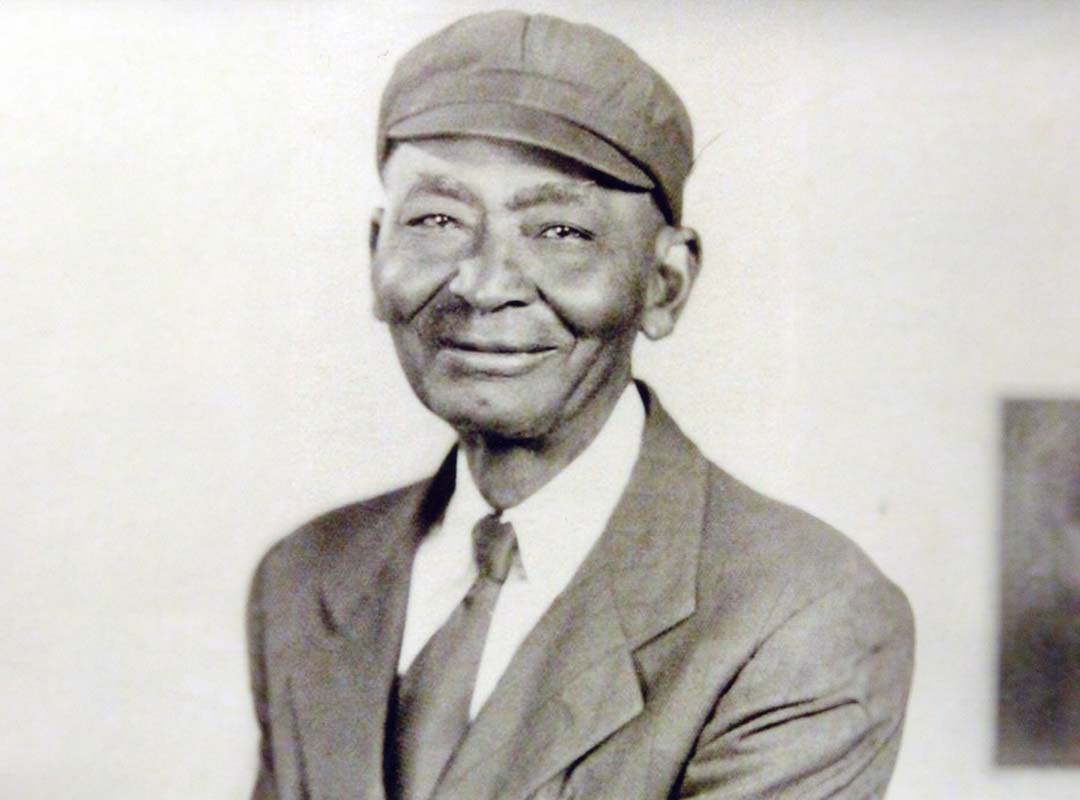


About 15 years ago, I attended a Vincennes cemetery tour event and one of the characters portrayed was William “Cap” Embry. I was intrigued with the story told about the local African American baseball player and I wanted to know more about his personal history. In 2018, a street sign, honoring Mr. Embry, was replaced at the Vincennes Cub League. The sign was in honor of his dedication to the local youth and baseball. I wanted to know more about him and some of the events of his life. I knew the place for me to go to find answers would be at the McGrady-Brockman House, 614 N. 7th Street, Vincennes.
While at the McGrady-Brockman House I pulled up Ancestry.com and found census records and city directories. Both these sources provided me with information on where he lived, who lived in the home with him and what his occupation was during that time. Between the years 1904-1911, Cap Embry listed his occupation as a ball player later on he is listed as a laborer. His application for Social Security gave his date of birth as August 28, 1878, Knox County, Indiana. Listed as his parents were Mathias Embry and Polly Parker. His marriage record to Maude Evans Powell is also listed. Census records show Cap, his wife Maude and his stepson Charles Powell are living at 515 South Second Street. I found these things interesting but I wanted more details about this baseball career. Brian Spangle pointed me in the direction of the Vertical Files and Historical Newspapers available at the McGrady-Brockman House and here I found some valuable information.
In August of 1954, Cap Embry gave a personal interview to the Vincennes Sun Commercial that stated he started playing ball at the age of 14 as a first baseman for the Francis Murphy team, a sandlot team that played on East Hart St. He also stated that Vincennes at that time had other teams in the area. The teams he named were Goose Town, French Town, Dutch Flats, and the Idaho Stars, which was an African American team. He went on to say that fans attended games in big numbers in horse and buggies. Fights were common and beer was consumed by the kegs full.
He stated that umpires were hard to find. He named the members of the Idaho Stars team as himself, Abraham Jackson, Harry Level, John Tison, Ed Wilson, Henry Brown, Bill Bradley, Billy Green, Felix Wallace, Bunch Davis, Ed Joiner, Charles Monroe and Jim Gibson. Garfield Brewer served as coach. They were all African American ball players of the area. He stated that Felix Wallace went on to play for St. Louis. The team lost 6 games out of 5 seasons and played in Vincennes until the Kitty League was formed. The team later moved to Danville, Illinois. Cap stated he later played at French Lick, West Baden, Louisville, Chicago, St Paul and Minneapolis. His playing career ended at Fargo N. D. in 1912 because of a broken hand. He turned to umpiring after
that and in 1923 umpired for the National Negro League for one year before returning home to Vincennes.
Once back in Vincennes he started umpiring for the Twilight Leagues and for the various college teams, cub leagues, and semi pro leagues. He often umpired 3 nights a week and many of these were double headers. Sometimes he was paid. Sometimes he wasn’t. Cap was known as an umpire who settled baseball players’ arguments on the diamond. He was also known as an umpire who kept to a straight road of unbiased judgment and as an umpire with a sound knowledge of the rules of the game. Cap gave an interview to Ebony Magazine in 1957. The article described him as the oldest man in the country working as an umpire. In the fall of 1957 the citizens of Vincennes honored Cap for his dedication to local baseball by sending him to Milwaukee, Wisconsin to see three games of the World Series.
Cap Embry died on August 15, 1964 ending his years of dedication to the game of baseball. He was buried at Mt Calvary Cemetery with his wife Maude Evans Powell.

Knox County celebrates Black history through education, remembrance, music, and community events.
Craig Fehrman’s book offers a broader, humanized history of Lewis and Clark’s expedition.
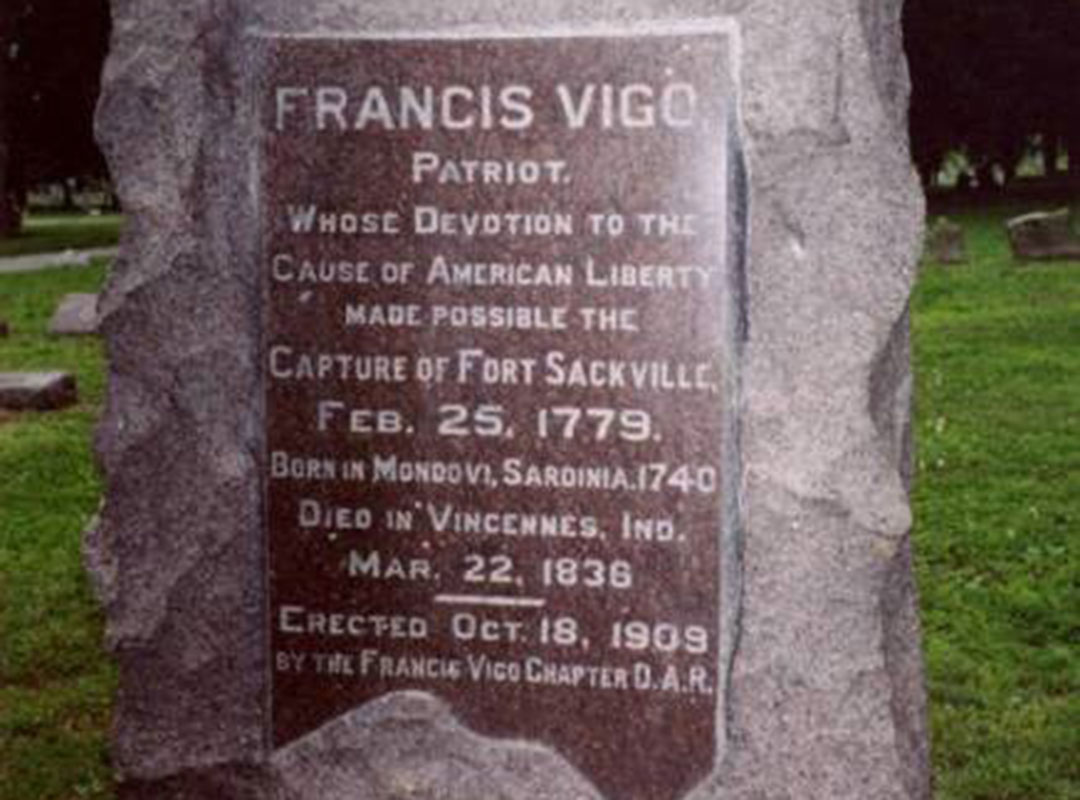
Vincennes cemeteries preserve history, honor lives, and provide peaceful community spaces.